
"blue dye"
700 article(s) found

Costa Rican coffee with full grains and ideal acidity
Costa Rican coffee is full of particles, with ideal acidity and unique aroma. Costa Rica's coffee industry, formerly controlled by the Instituto del Café de Costa Rica (ICAFE), has been taken over by the Official Coffee Council (Oficina del Caf). Among coffee exports, those deemed substandard are colored blue.

A brief introduction to the unique flavor and flavor characteristics of Costa Rican Saint Roman boutique coffee beans
One of the most famous is Mountain Costa Rica Coffee, which tastes mellow and neutral. It can be boiled directly or mixed with other kinds of coffee beans to form a mixed coffee. It is also a good choice. Other kinds of Brazilian coffee, such as Rio and Parana, can be produced in large quantities because they do not need too much care. Although they taste rough, they can be regarded as a kind of coffee with good quality and low price.

Introduction of flavor characteristics of Costa Rican coffee
Costa Rican coffee has full particles, ideal acidity and unique strong flavor. Costa Rica's coffee industry, originally controlled by the Costa Rican Coffee Industry Company (InstitutodelCafdeCostaRica, ICAFE), has been taken over by the official Coffee Committee (OficinadelCaf). In the coffee exported, those products that are considered to be of substandard quality use blue.

A brief introduction to the planting market price of Costa Rica Saint Roman boutique coffee beans with mellow taste
High-quality Costa Rican coffee is called extra hard beans, and this kind of coffee can grow at an altitude of more than 1500 meters. Altitude has always been a problem for coffee growers. The higher the altitude, the better the coffee beans, not only because the higher altitude can increase the acidity of the coffee beans and thus increase the flavor, but also because the night temperature at the higher altitude is lower, which can make the trees grow slowly.
Costa Rican Coffee Costa Rican Coffee
Costa Rican coffee is full of particles, with ideal acidity and unique aroma. Costa Rica's coffee industry, formerly controlled by the Instituto del Café de Costa Rica (ICAFE), has been taken over by the Official Coffee Council (Oficina del Caf). Among coffee exports, those deemed substandard are made with blue plants.
Costa Rican coffee varieties of Costa Rican Arabica beans
Costa Rican coffee has full particles, ideal acidity and unique strong flavor. Costa Rica's coffee industry, originally controlled by the Costa Rican Coffee Industry Company (InstitutodelCafdeCostaRica, ICAFE), has been taken over by the official Coffee Committee (OficinadelCaf). In exported coffee, those products that are considered to be of substandard quality are used in blue.

A brief introduction to the description of flavor and aroma characteristics of Costa Rican Saint Roman boutique coffee beans
High-quality Costa Rican coffee is called extra hard beans, and this kind of coffee can grow at an altitude of more than 1500 meters. Altitude has always been a problem for coffee growers. The higher the altitude, the better the coffee beans, not only because the higher altitude can increase the acidity of the coffee beans and thus increase the flavor, but also because the night temperature at the higher altitude is lower, which can make the trees grow slowly.

Full-grained Costa Rican coffee Tarasu producing area
Costa Rican coffee has full particles, ideal acidity and unique strong flavor. Costa Rica's coffee industry, originally controlled by the Costa Rican Coffee Industry Company (InstitutodelCafdeCostaRica, ICAFE), has been taken over by the official Coffee Committee (OficinadelCaf). In exported coffee, those products that are considered to be of substandard quality are used in blue.

The practice of Costa Rican coffee
Costa Rican coffee has full particles, ideal acidity and unique strong flavor. Costa Rica's coffee industry, originally controlled by the Costa Rican Coffee Industry Company (InstitutodelCafdeCostaRica, ICAFE), has been taken over by the official Coffee Committee (OficinadelCaf). In exported coffee, those products that are considered to be of substandard quality are used in blue.

Introduction to Fire Phoenix Manor in Costa Rica Coffee Manor
Costa Rican coffee has full particles, ideal acidity and unique strong flavor. Costa Rica's coffee industry, originally controlled by the Costa Rican Coffee Industry Company (InstitutodelCafdeCostaRica, ICAFE), has been taken over by the official Coffee Committee (OficinadelCaf). In the coffee exported, those products that are considered to be of substandard quality use blue.

Costa Rican coffee taste and taste
Costa Rican coffee has full particles, ideal acidity and unique strong flavor. Costa Rica's coffee industry, originally controlled by the Costa Rican Coffee Industry Company (InstitutodelCafdeCostaRica, ICAFE), has been taken over by the official Coffee Committee (OficinadelCaf). In exported coffee, those products that are considered to be of substandard quality are used in blue.

A brief introduction to the History and Culture of the Origin and Development of Costa Rica Saint Roman Fine Coffee beans
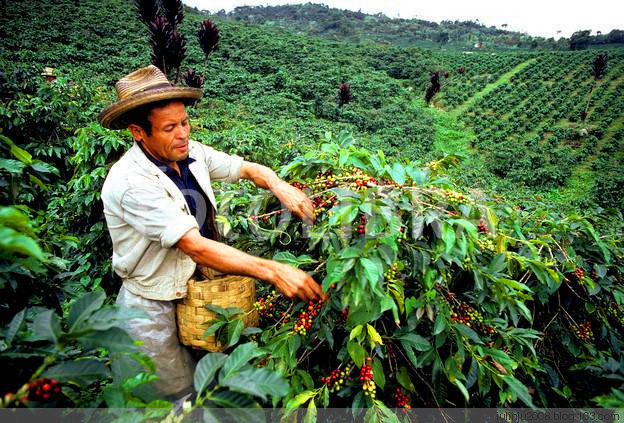
The coffee trees planted in Costa Rica are all Arabica coffee trees, and the quality of coffee beans is better and more stable through improvement. In order to facilitate picking, coffee trees are kept at a height of about 2 meters through continuous pruning. The coffee that people eat is the taste of the seeds in the fruit that are brewed in water. After picking raw coffee beans, the peel, pulp, seed film and sun exposure must be removed.
A brief introduction to the history and culture of the origin and development of Costa Rica's Saint Roman boutique coffee beans.
All the coffee trees planted in Costa Rica are Arabica coffee trees. through improvement, the quality of coffee beans is better and more stable. in order to facilitate picking, coffee trees are kept at a height of about 2 meters through continuous pruning. The coffee that people eat is the taste of the seeds in the fruit that are brewed in water. After picking raw coffee beans, the peel, pulp, seed film and sun exposure must be removed.
The baking degree of honey treatment in Costa Rica
Coffee becomes unprofitable. The coffee industry in Costa Rica has adopted new technologies to increase efficiency, including the use of electric eyes to select beans and identify coffee beans of irregular size. Located in the south of the country's capital, San Jos, Tarasu is one of the most valued coffee growers in the country. La Minita Tarrazu coffee is a famous local product.
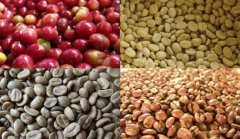
A brief introduction to the description of the flavor and aroma characteristics of Costa Rican Saint Roman Coffee
The research center, located about 30 kilometers northeast of the Costa Rican capital San Jose, belongs to the Costa Rican Coffee Association and is a research institution for villa sarchi planting, breeding and quality inspection newly developed by Costa Rica's national coffee breeds. in addition, it also has 10 hectares of experimental plots, planting a number of excellent varieties. Coffee is the main agricultural product in Costa Rica, with an annual output of more than 2 million bags

Costa Rican coffee producers
Coffee was introduced to Costa Rica from Cuba in 1729, and today its coffee industry is one of the most organized in the world.

Scientific Research and cultivation of Coffee beans in Costa Rica
The research center, located about 30 kilometers northeast of San Jose, the capital of Costa Rica, belongs to the Costa Rican Coffee Association and is the research institution for planting, breeding and quality inspection of Brazilian coffee fruits in Costa rica. in addition, it also has 10 hectares of experimental plots, planting a number of excellent varieties. Coffee is the main agricultural product in Costa Rica, with an annual output of more than 2 million bags

Costa Rican boutique coffee introduction Costa Rican coffee quality Costa Rica
The coffee beans produced in the high latitudes of Costa Rica are famous in the world, full-bodied, mild in taste, but extremely sour. The coffee beans here have been carefully processed, which is why there is high-quality coffee. Tarasu, located in the south of SanJos, the capital of Costa Rica, is one of the most valued coffee growers in the country. Tarasu (Tarrazu) is one of the major players in the world

Brief introduction of Costa Rica Coffee Bean production area
The coffee industry in Costa Rica has adopted new technologies to increase efficiency, including the use of electric eyes to select beans and identify coffee beans of irregular size. Located in the south of the country's capital, San Jos, Tarasu is one of the most valued coffee growers in the country. La Minita Tarrazu coffee is a famous local product, but its production is limited and large.

Aroma Unique Costa Rican Diamond Mountain Coffee Flavor Description Grindness Features Variety Taste Boutique
Costa Rican coffee is full of particles, with ideal acidity and unique aroma. Costa Rica's coffee industry, formerly controlled by the Instituto del Café de Costa Rica (ICAFE), has been taken over by the Official Coffee Council (Oficina del Caf). Among coffee exports, those deemed substandard are colored blue.